A good Design System doesn't limit creativity. It gives it direction.
October 22, 2026- by Oriana Calemi
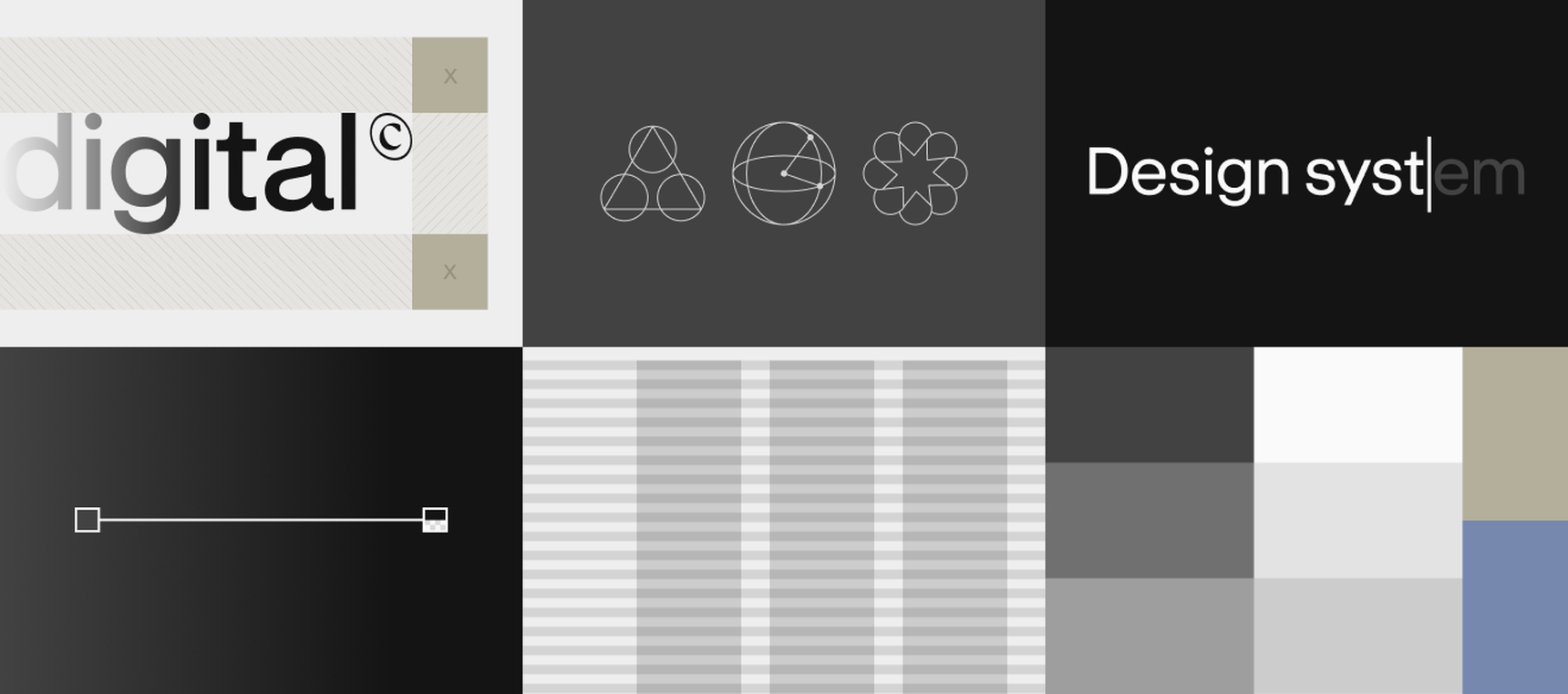
A design system brings structure to design without restricting creativity. How do you build a system that improves consistency and efficiency without forcing every design into the same mould?
From individual designs to a cohesive system
When every design is approached independently, inconsistencies in style, structure and quality quickly emerge. A design system brings coherence to a range of outputs without making them identical. It provides a recognizable foundation while leaving room for variation where the context calls for it.
What should you define, and why?
A well-structured design system goes beyond colors and typography. It defines the rules that bring consistency to every design, including details that may seem insignificant at first.
Take spacing and grids, for example. Applying consistent rules creates balance across layouts and makes designs more predictable and easier to reproduce. Rather than making a product feel repetitive, this structure creates visual coherence while leaving room for variation. Each design feels part of the same system without looking identical.
These rules also make the transition from design to development smoother. When spacing, alignment and layout follow a clear logic, developers spend less time interpreting design decisions or resolving inconsistencies. The result is less rework, a more efficient workflow and a shared understanding of how the product should be built.
The goal isn’t to define every detail for the sake of it, but to establish clear, reusable rules wherever consistency matter. Good structure doesn’t restrict design; it creates the foundation for more balanced layouts and a more efficient collaboration between designers and developers.
Rules as a starting point, not an end goal
A design system should provide direction, not impose restrictions. Guidelines offer structure, but not every application fits a predefined framework. The key is knowing when to follow the system and when to deliberately deviate from it.
Our approach is based on Atomic design, a methodology that structures interfaces into smaller, reusable building blocks.
But adopting a methodology is only the starting point. Our design system continues to evolve internally as we explore how to make it work best for our team. We look for an approach everyone understands, feels comfortable working with, and sees potential in developing further as tools and technologies evolve.
The goal isn’t to follow a set of rules simply because they exist. It’s to build a system that works in practice, supports collaboration and remains flexible enough to grow with us.
A design system is never truly finished
New applications, chancing needs and lessons learned all call for adjustments. A design system that doesn’t evolve risks becoming outdated. Rather than treating it as a finished document, consider it a system that grows alongside the organization.